Pollinator Impact

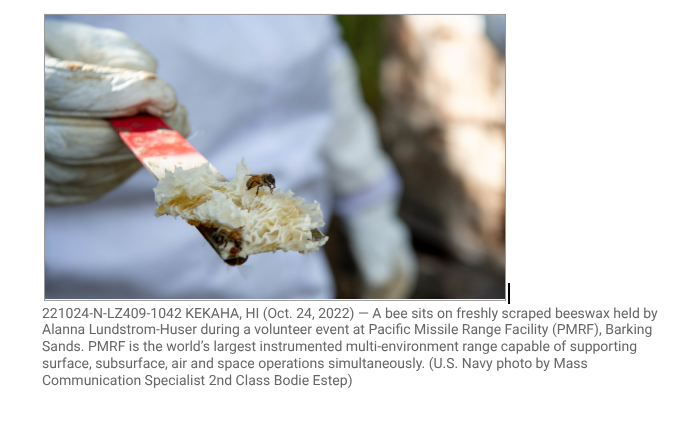
bee and beeswax

You walk into a grocery store and see all the produce. Red apples, green avocados, orange pumpkins. We see all the food we want, we buy it, and we go home. Easy, right?

Did you ever stop to think about how all that good food gets produced? Yes, good soil and enough water is vital. But I'm talking about pollinators. From bees and birds to beetles and bats (that's a lot of b's), these creatures are responsible for the healthy food we eat.

There have been reports about the price of food going up and some things being hard to find. Why? One important reason is the decline of our pollinators.

But how important are pollinators, and just how bad would a food shortage be without animal pollination? Probably worse than you might think.

How These Workers Feed the World

Our food system depends on these often-overlooked creatures. The survival and prosperity of pollinators isn't just important, it's essential. Without them, our diet would be bland, boring, and far less healthy. Farms would fail, the agricultural economy would collapse, and food security would be a thing of the past.

And pollination isn't all about making more food, it's about making better food. When plants get an abundance of visits from pollinators, the food produced is better quality. Take berries for an example. When berry plants receive ample visits from pollinators, the berries are larger, juicier, and have better flavor. For a farmer, this can be the difference between a good year and a great one. With healthy populations of pollinators, farmers can rely on crop production year after year, which is good for them and critical for the supply chain and market stability.

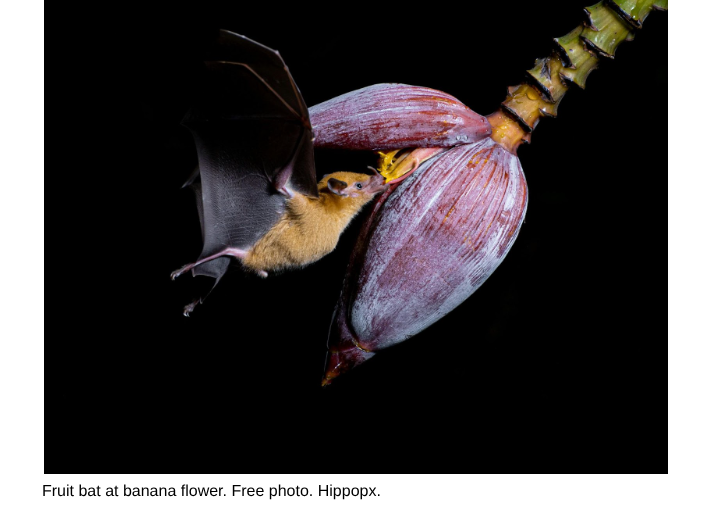
bat at banana flower

Food Impact

Without animal pollination, the produce section of your grocery store would be close to empty. No apples, berries, cherries, melons, avocados, cucumbers, pumpkins, squash, many types of beans, and small tomatoes. And this is just the produce section. Along with almonds, coffee, cocoa, and many seeds and nuts, the variety of available food choices would be limited. And this is just the fresh food. It spills out into the frozen and canned goods sections. 

In fields with a low number of pollinators, crop yields fall drastically. But pollination doesn't just increase the number of fruits and vegetables, it increases the quality of the food. Animal pollination leads to larger and more nutritious produce. Many plant-based foods give us Vitamins A and C, iron, and calcium. Without these crops, we end up with food that is higher in calories but lower in nutrition. 

While most grain crops do not need animal pollination, the vitamins and minerals we need for a healthy diet rely on our buzzing and flying friends.

The decline in pollinators is already having an impact on human health. A Harvard University study from 2022 indicates an increase in human deaths due to a decrease in healthy food consumption and associated diseases. 

Economic Impact

Farmers in other nations are dependent on pollinators for coffee, cocoa, and various spices. For many, these cash crops are their only source of income. When the number of pollinators decreases, it can have a devastating impact on their families and communities. 

Pollination provides billions of dollars to the global economy yearly. Many farmers depend on it for the best crops and bigger yields. Without it, they may have to resort to hand-pollination or rent managed honeybees and/or their hives, both of which increase the price. 

Protection

Protecting pollinators isn't a sacrifice; it's a way to invest in our future. A future that safeguards our food, our health, our environment, and our economy. It’s an act of hope and a profound commitment to a thriving, food-secure world. Let's plan for a future where every plate is full and every diet is healthy. 

By recognizing the immense value of this natural service and taking meaningful action to protect the tiny creatures that provide it, we ensure a diverse, healthy, and secure food future for the entire world.

The next time you enjoy a sweet apple or a handful of almonds, remember the tireless workers who made it possible, and commit to helping them flourish.

For ways to protect and our pollinators, head over to the Gardens, Guides, and Products section for ways you can support our pollinator friends.


https://doi.org/10.1289/EHP10947